
Talking all things Diesel
Hey and welcome back to the Timeless blog! In this post, we’re talking all things Diesel. First, we’re going to look at what makes Diesel such a unique brand, some of their iconic fashion moments (including what we have in the shop now!) and finally how Glenn Martens has successfully rebranded in recent years.
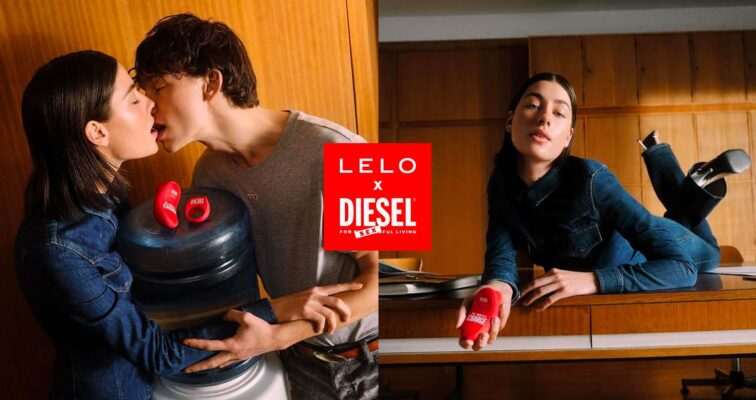
Born in Molvena, Italy, Renzo Rosso started Diesel when he bought 40% of the clothing manufacture company he was working for, then called Moltex. This was after years of making bell bottom jeans for his friends on his mother’s sewing machine. By 1985, he had full ownership and creative control over the brand. Since then, the brand has grown into having an annual turnover of over a billion pounds, producing not only menswear, as at the start, but everything from fragrances to furniture to sex toys. It has had a few different lines over the years, including Diesel StyleLab (a higher end line with an emphasis on tailoring) and 55DSL which had more of a beachy streetwear vibe. The name Diesel was supposedly a nod to the oil crises of the 70s which lead to the introduction of Diesel fuel. The fashion world was snooty about the name at first, but Rosso was clearly one to see the future horizons of fashion and was not perturbed by an unwelcome reception. People were equally shocked at the $100 price tag on his early jeans, given the second most expensive were made by Ralph Lauren for $52. Today, vintage Diesel can go for thousands.

Obviously, the clothes are insane and we love them, so we’re going to look at what makes the designs so unique first. Although Rosso did at one point attempt to set up factories in the USA, all of the brand’s manufacture has ended up staying where it began, in Molvena. The clothes are of the highest quality, both in terms of materials and techniques, and Rosso claims they feel so good because of the qualities of the local water. This quality of construction from the start meant that Rossi could distress the clothes without ruining them. He was one of the first in the fashion world to age clothes by rubbing them on concrete. This new-vintage look was understood in America as a European aesthetic at the time, as it went directly against the popular preppy styles being shown by Tommy Hilfiger and Ralph Lauren in the early 90s. By creating so many interesting and unique jeans, Rosso elevated them from workwear to high fashion, and created the fashion mission of the search for each person’s perfect pair. Alongside brands like Miss Sixty, Rosso was instrumental in creating the iconic silhouettes and low waistlines of the 90s and Y2k era.
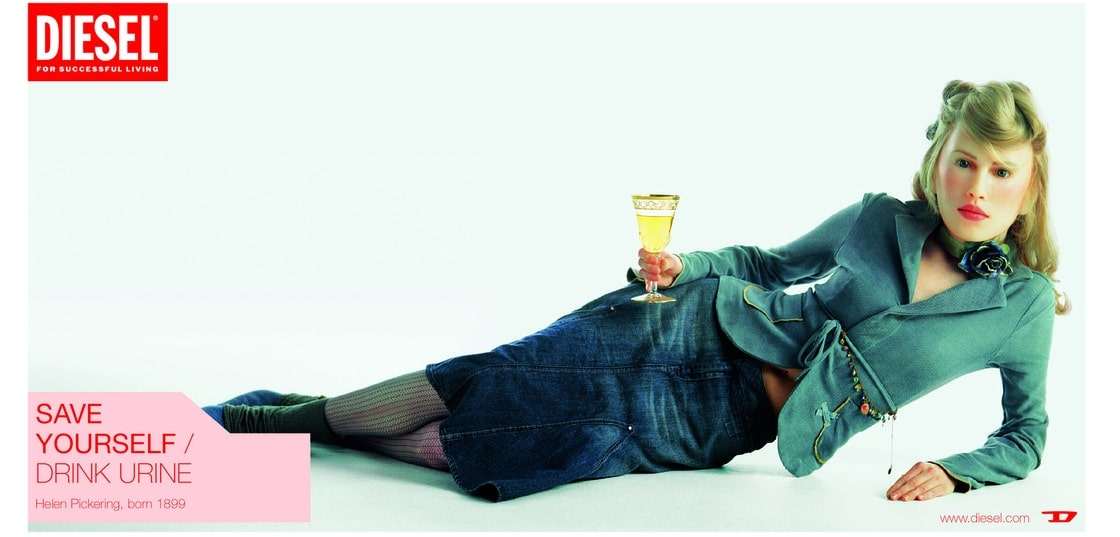
However, Diesel’s popularity is also thanks to its insane and innovative advertising campaigns, which shocked the world with their political messages and bizarre imagery. They created a buzz around the brand in so many different ways, not only using their bold adverts but also through things like the design of their stores with special VIP areas for celebs. When Diesel opened their first shop in Manhattan it was purposely placed opposite Levis. Rosso said “I wanted to show how beautiful our product was, in front of them.” They did not have enough stock at the time to fill out the space, so decided to fill it with a bar and DJ booth, throwing regular parties and generating organic hype in NYC.
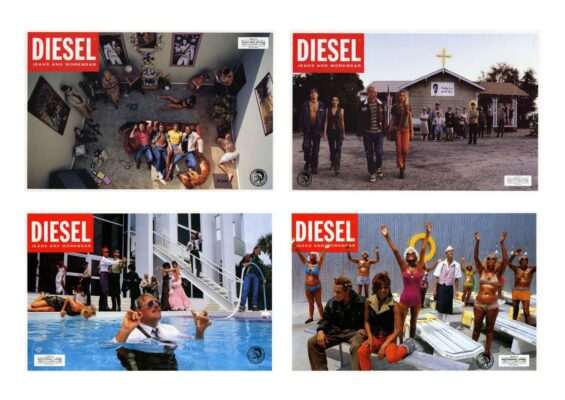
Rosso thanks his international identity for the success of his brand; from Italy he learnt creativity, from America marketing and from Germany strategy. His ads were extremely lucrative as they focused on two of the 5 Ds of Diesel: Disruption and Deviation (the others were Diesel, Dream and Denim). The spirit of his campaigns were centred around his observation that young people genuinely cared about politics and social issues now. He used his campaigns primarily not to show off what clothes were on offer but to sell a philosophy of youth and coolness. In a way that no brand had before, Diesel was putting out ads that were both darkly witty and controversial, generating national conversation – much of it very angry. One of the most famous was a 1994 shoot by David LaChapelle featuring two male sailors kissing at the WW2 peace celebration, the first major public advert showing a homosexual couple kissing. This was amid the “Don’t Ask, Don’t Tell” debates in America which lead to the exclusion of openly queer people in the US military. Other campaigns from around the same time were less specific in their critique: the original ‘Campaign for Successful Living’ was a series of cinematic surreal tableaux which the director described as “providing profound social messages that offered ethical, political and even philosophical discourse in a strong colourful visual”. They don’t shy from commenting on contentious topics like religion and diet and beauty culture. The images were really strange and nothing like this had been seen in the fashion world or the art world as a whole.
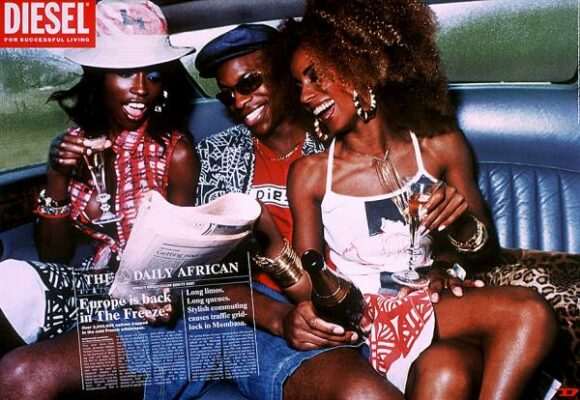
In the early 2000s, they launched a $15 million print campaign for ‘The Daily African’, a made up newspaper. The images feature black models in amazing Diesel outfits draped across decadent cars and interiors, emblazoned with imagined news print which placed Africa as the most powerful continent, and described Europe in the kind of exotified ways Africa had been in the past. One headline reads “African Expedition to Explore Unknown Europe by Foot”. It’s not exactly the most nuanced political take to today’s eyes, but it certainly got a world which rarely engaged in conversations of inequality talking. As with lots of Diesel’s campaigns, this won the Grand Prix at the International Advertising Festival in Cannes.
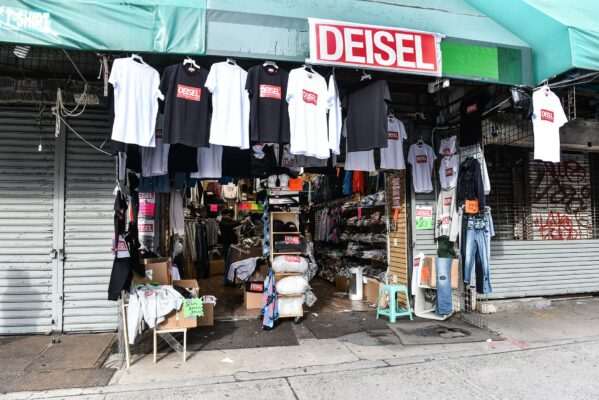
A few more of our favourite marketing moments include the ‘Be Stupid’ campaign of 2010 (many of which were banned in the USA), the 2008 DIESEL SFW XXX video featuring real 80s porn overlayed with illustration to hide the nudity, and the time when they opened ‘Deisel’ – a shop in Chinatown NYC in 2018 which appeared to sell fakes for low prices, that were actually real!


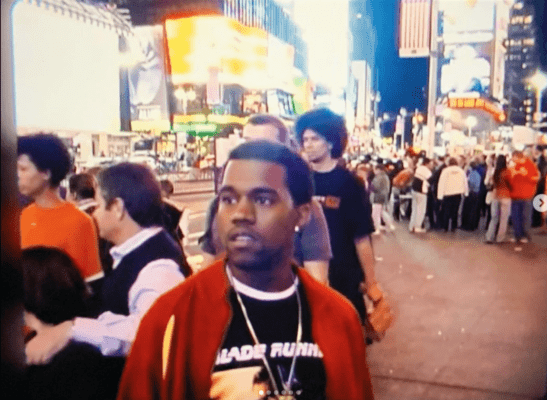
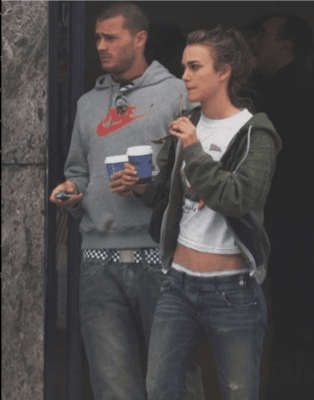
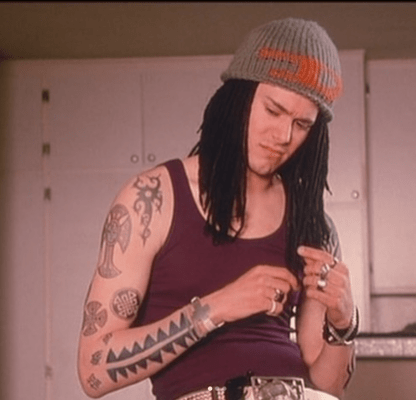
Alongside all that crazy marketing, Diesel’s popularity was exemplified and cemented by appearing in media and on celebrities. A few of our fave moments include Keira Knightly in low waist Diesel boyfriend jeans and Kanye on the streets of New York in a 55DSL top. We also love the logo beanie worn by Adam Brody as Stevie the Dealer in the 2007 film Smiley Face. More recently, Dua Lipa looked hot af in the FW23 collection, which has also been seen on everyone from Kylie Jenner to Julia Fox.
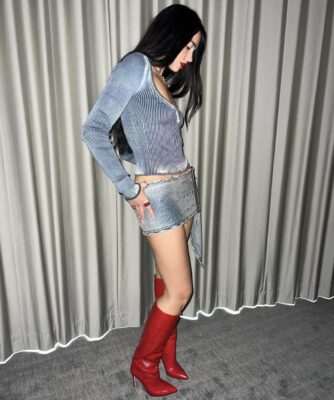
Since 2021, Diesel has been creative directed by Glenn Martens, who made his start at Jean Paul Gaultier. He has been extremely successful at creating designs that feel fresh and new and yet are heavily inspired by their own vintage. He even went as far as to collaborate with Rosso for the Diesel x Diesel ‘collaboration’ which reworked archive pieces. As well as creating gorgeous new designs, Martens has brought the brand into the future by showing male and female models together and describing the denim as “genderless”. He has also launched sustainability initiatives within the brand, for example reducing chemical and water use and using more deadstock fabric than previously. In a move that we love, he created the Diesel Library collection (pictured below), which makes up 50% of available denim in the store. This collection is permanent and doesn’t trend, encouraging people to find jeans that genuinely represent their individual style as opposed to just what is hot right now.
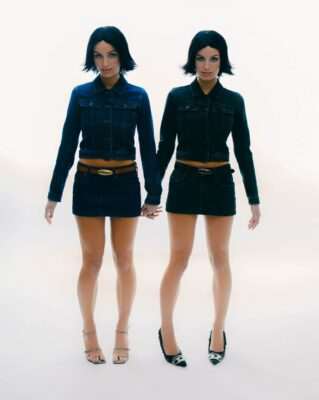
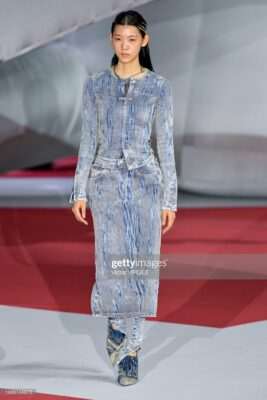
The final thing we wanted to mention was that Diesel’s most recent collection featured multiple references to one of our favourite styles here at Timeless: utility wear. We loved the denim cargos and dresses, as well as this look which styled a structured jacket with a skirt over jeans over denim boots. Lucky for you, we have a whole load of Diesel utility wear on sale at the moment, including dresses, jackets and cargos. We also have some really cute handbags and t-shirts, although they’re going quickly!

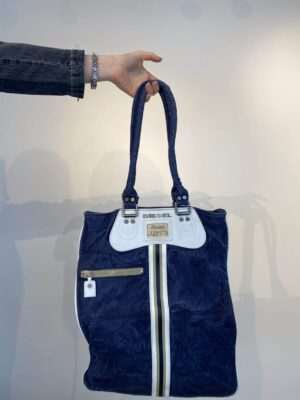
And here’s just a couple more Diesel bits we have on sale for good measure:

We hope you’ve found our Diesel round up as interesting as we did, and thanks so much for reading! ♡
